Sealing e shrink wrapping de boxes: How to integrate packaging secundária ao ritmo da line primária
Technical guide to evaluate industrial packaging in primary and secondary food packaging lines: product behavior, hygiene, integration, real throughput and service support.
Usinox··há 2 meses·2 min read
Sealing e shrink wrapping de boxes: How to integrate packaging secundária ao ritmo da line primária
Share this article
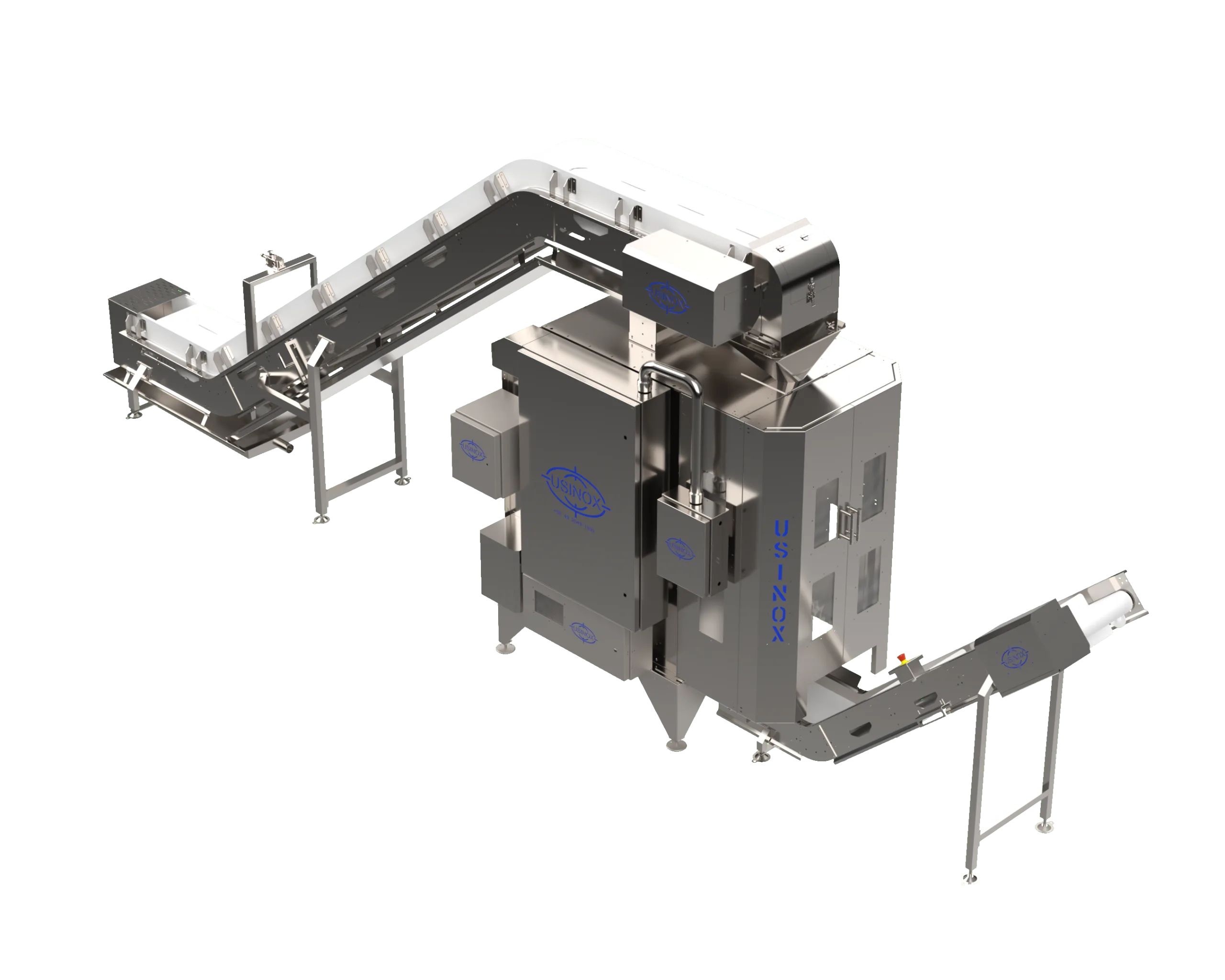
Industrial packaging equipment helps poultry plants organize product flow, weighing, packing and line integration without relying on manual improvisation.
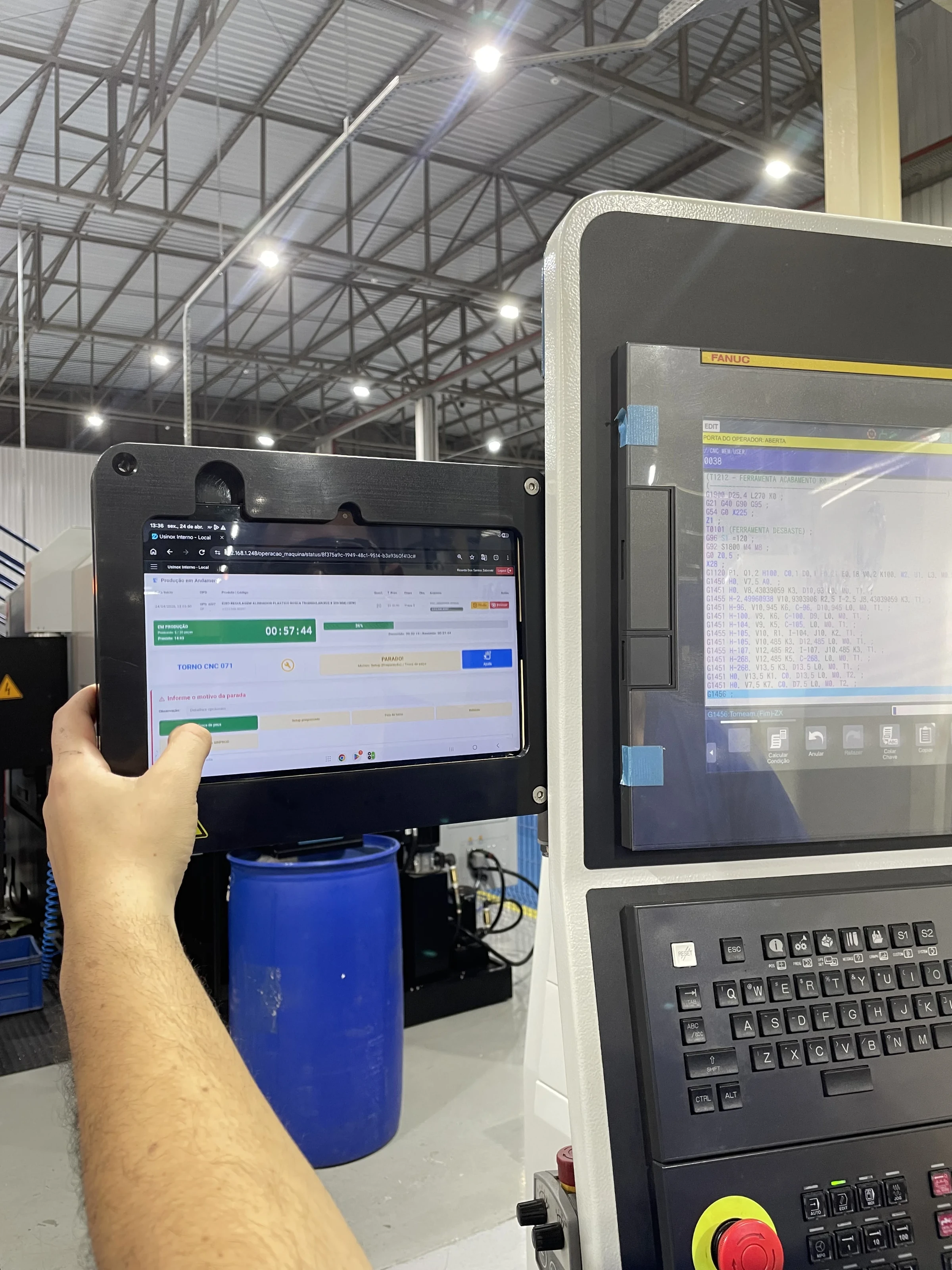
USINOX adopts tablets for factory activity tracking
· 1 min
Sealing e shrink wrapping de boxes: How to integrate packaging secundária ao ritmo da line primária is not only a machine selection topic. In food plants, the decision must consider product behavior, hygiene routine, line speed, upstream feeding, downstream packaging and the ability to support the equipment after installation.
This guide summarizes the industrial criteria USINOX uses when evaluating industrial packaging for primary and secondary food packaging lines. The goal is to help the buyer compare alternatives with technical evidence instead of relying only on catalogue capacity.
What must be validated before quoting
Why line integration matters
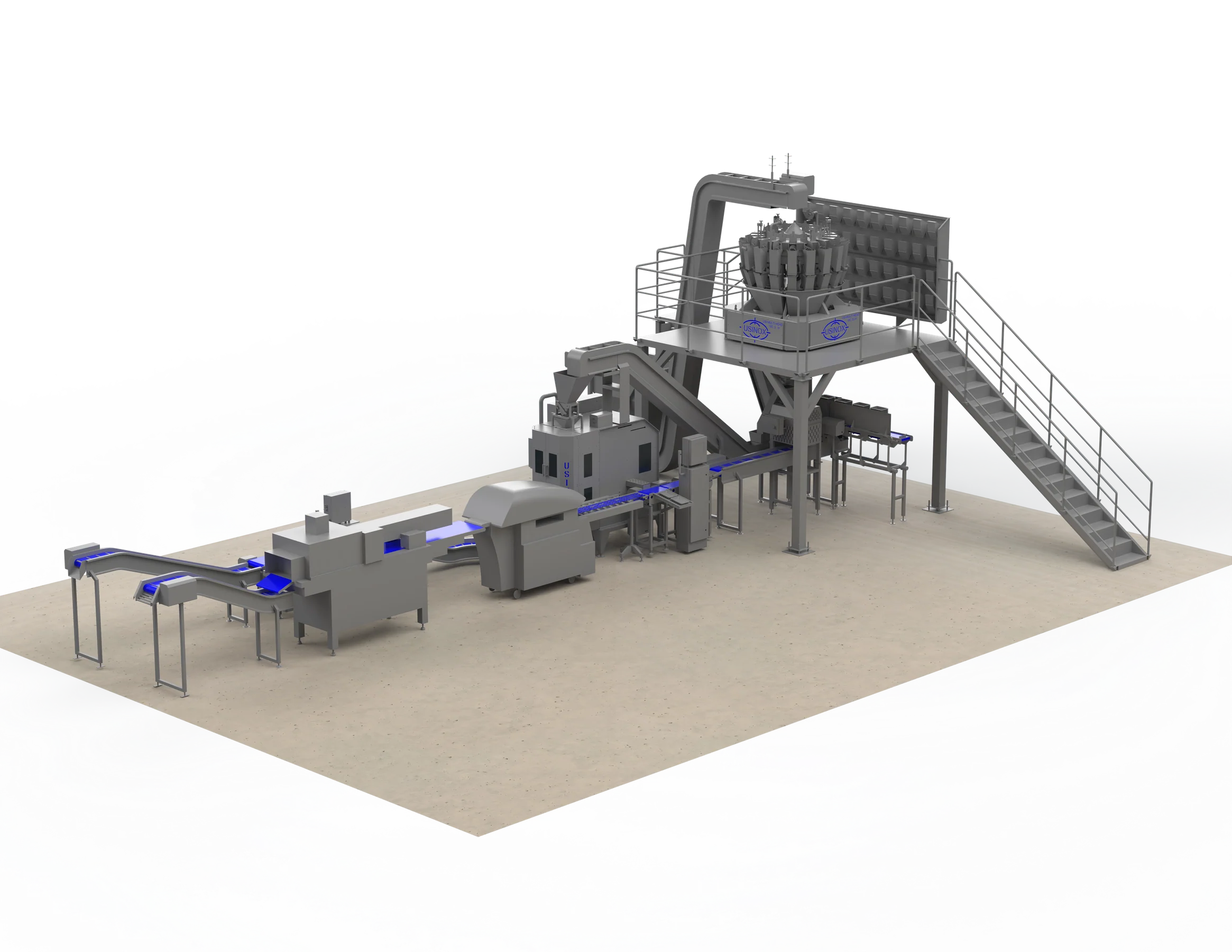
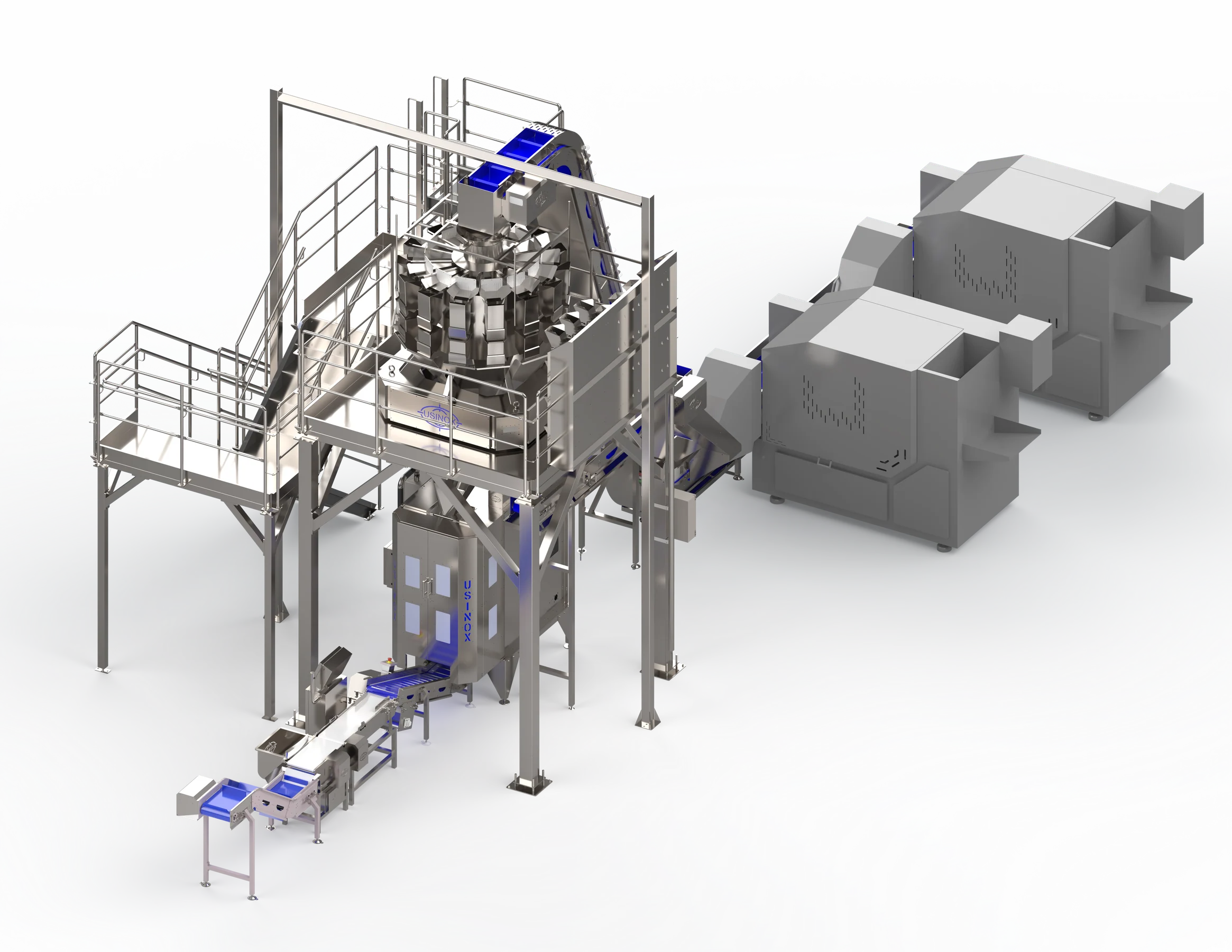
A strong equipment choice can still fail if feeding, weighing, packaging and rejection points are not synchronized. For that reason, the project should evaluate the complete flow, including layout restrictions, operator access, cleaning windows and production targets.
How USINOX supports the decision
USINOX designs and manufactures equipment for weighing, packaging and automation in food industries, with national engineering and field support. The technical diagnosis checks whether the proposed configuration fits the product, the available space and the expected performance of the line.
FAQ
Is catalogue speed enough to choose the equipment?
No. Catalogue speed is only a reference. The final decision should consider tests or technical validation with the real product, target weight, packaging format and cleaning requirements.
When should the whole line be evaluated?
Whenever the equipment depends on upstream feeding or downstream packaging. In these cases, bottlenecks usually appear at interfaces, not inside a single machine.
What is the safest next step?
Request a technical diagnosis with product, target weight, package format, available layout and desired throughput. This gives the engineering team enough context to recommend a realistic configuration.